Believers in the “if you build it, they will come” philosophy still struggle online. Your customers are out there, but in today’s crowded digital landscape, visibility, trust, and usability matter more than ever. Being online is no longer enough. You must be discoverable, credible, and easy to do business with.
Below are ten foundational steps for building a successful online business, updated for the modern web.
1. Select and Register a Domain Name
Your domain name remains one of your most important digital assets. If your business already has a recognizable name, using it as your domain often makes sense. However, if your name does not clearly describe what you offer, you should think strategically.
For example, a company selling websites called iReady Sites may benefit more from a domain like ireadysites.com than somerandomdomain.com. Descriptive domains still help with clarity, branding, and click-through rates, even though search engines now rely on many more signals than keywords alone.
Modern best practices include:
- Choosing a short, memorable, brand-safe domain
- Avoiding complex spellings
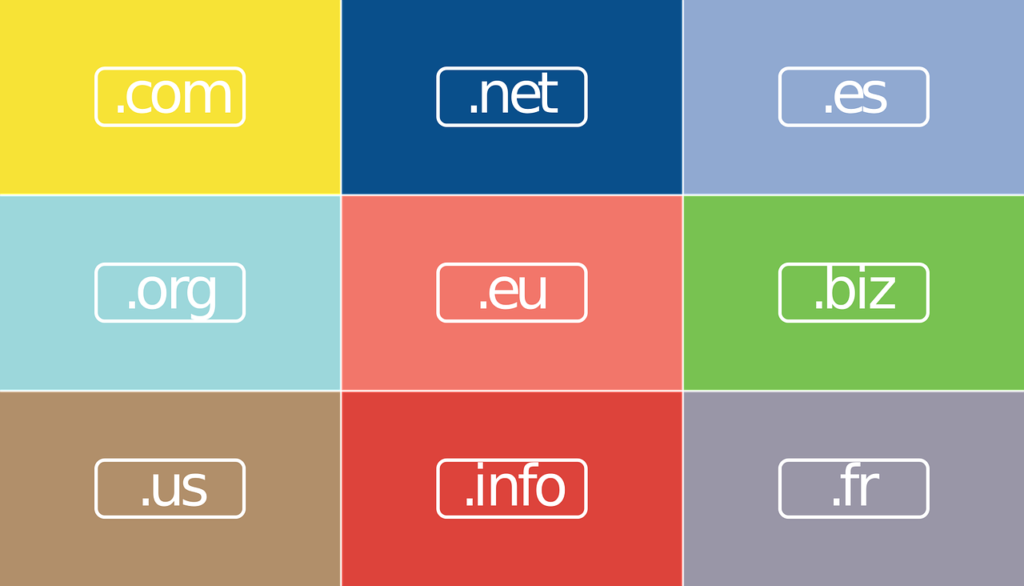
- Securing common variations and extensions (.com, .net, etc.)
- Considering premium domains if they align with long-term growth
Your domain should be easy to remember, easy to type, and aligned with your brand identity.
2. Choose a Reliable, Scalable Web Hosting Platform
Web hosting today goes far beyond storing files. Your hosting platform affects site speed, security, uptime, and scalability, all of which directly impact user experience and search rankings.
When choosing a host, look for:
- High uptime and performance guarantees
- Scalable cloud infrastructure
- Automatic backups and security monitoring
- Strong customer support
Modern hosting environments often bundle databases, content management systems, and performance optimization tools. Avoid “free hosting” solutions that place ads on your site or limit your control. These shortcuts often cost more in lost credibility and conversions than they save.

3. Design a Professional, Conversion-Focused Website
The do-it-yourself approach is still tempting, especially with modern website builders. However, just because a website can be built quickly does not mean it will perform well.
Your website is your digital storefront. It must:
- Look professional and trustworthy
- Load quickly on all devices
- Be easy to navigate
- Guide visitors toward clear actions
Cookie-cutter templates may work for experiments, but long-term businesses need flexibility, performance, and optimization. A professionally designed site gives you full control over content, SEO, accessibility, and branding, all of which influence customer trust and conversions.
4. Set Up Modern Communication Channels
Email remains essential, but today’s customers expect multiple ways to communicate. Your business should offer consistent, reliable contact options such as:
- Branded email addresses
- Contact forms
- Live chat or chatbots
- Automated confirmations and follow-ups
Reliability matters. Missed messages, delayed responses, or system downtime quickly erode trust. Consistent communication reinforces professionalism and reassures customers that your business is dependable.
5. Promote Your Website with Modern SEO and Digital Marketing
Promotion remains one of the most challenging aspects of building an online business. Simply publishing a website does not generate traffic.
Search engine optimization (SEO) is still foundational, but it now includes:
- High-quality, helpful content
- Technical site performance
- User experience signals
- Mobile optimization
- Ongoing updates and analysis
In addition to SEO, many businesses use paid search, social media advertising, and retargeting to accelerate growth. Digital marketing today is data-driven and iterative. Success comes from testing, measuring, and refining over time.
6. Provide Helpful Customer Tools and Secure Payments
Customers expect convenience. If you sell products or services online, your site should offer:
- Easy-to-use catalogs or service pages
- Secure payment options
- Transparent pricing, shipping, and return policies
- Privacy and security assurances
Modern payment systems, digital wallets, and automated order processing reduce friction and build confidence. Behind the scenes, automation helps businesses fulfill orders quickly and respond to inquiries efficiently.
7. Build Trust and Brand Recognition
The internet gives you access to millions of potential customers and just as many competitors. Standing out requires trust, not tricks.
Avoid intrusive tactics like spam emails, deceptive promotions, or aggressive pop-ups. Today’s users are more informed and less tolerant of manipulative marketing.
Strong brands are built through:
- Consistent messaging
- Transparent policies
- Helpful content
- Authentic engagement
Trust is the most valuable currency online, and once lost, it is difficult to regain.
8. Sell Strategically, Not Aggressively
Online selling still relies on psychology and timing. Once a customer visits your site, your goal is to maximize value without creating pressure or frustration.
Upselling and cross-selling remain effective when done thoughtfully. Related products or services should be presented as helpful additions, not forced decisions.
Just as in physical retail, subtle guidance often works better than aggressive selling. A satisfied customer is more likely to return and recommend your business.
9. Generate and Analyze Traffic Continuously
Traffic generation today is inseparable from analytics. Knowing how many visitors you receive is far less important than understanding what they do once they arrive.
Modern analytics tools allow you to measure:
- Visitor behavior
- Conversion paths
- Traffic sources
- Audience demographics
These insights help you identify what’s working, what’s not, and where improvements are needed. Traffic without conversions is noise. Meaningful data drives smarter decisions.
10. Maintain, Manage, and Improve Continuously
An online business is never “finished.” Content must be current, pricing accurate, and systems maintained. Automation now makes many updates easier, but oversight remains essential.
A strong back-office setup includes:
- Automated accounting and reporting
- Inventory or service management
- Regular performance reviews
- Planned growth strategies
Expansion does not always mean adding products. Improving user experience, increasing conversions, or forming strategic partnerships can be just as powerful.
Final Thought
Your website is your business. It is your storefront, office, and sales team combined. Cutting corners online has the same effect as running a physical business out of the back of a truck.
Professionalism, planning, and continuous improvement are still the keys to success. The tools have evolved, but the fundamentals remain the same.